Iran’s story is one of ancient grandeur, revolutionary fervor, and modern geopolitical strife. As a nation at the crossroads of history, it has shaped the Middle East and drawn the attention of global powers like the United States and Israel. In this deep dive, we’ll explore the key figures who defined modern Iran—Aятollah Ruhollah Khomeini and Ayatollah Ali Khamenei—their lives, legacies, and the ripple effects on Iran and the world. We’ll also unpack Iran’s historical arc, its tense relations with America and Israel, recent events following Khamenei’s death, and the broader implications for neighboring and Islamic countries. Whether you’re curious about Iran’s isolation or its economic standing, this post breaks it down step by step.
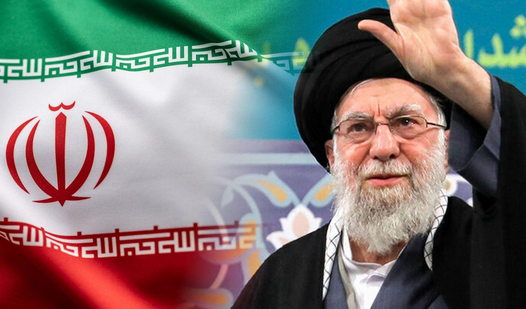
Who Was Ayatollah Khomeini?
Ayatollah Ruhollah Khomeini was the architect of Iran’s 1979 Islamic Revolution, a pivotal event that transformed the country from a Western-aligned monarchy under Shah Mohammad Reza Pahlavi into an Islamic Republic. Born in 1900 in Khomeyn, Iran, Khomeini rose as a Shia cleric and political theorist, fiercely opposing the Shah’s secular reforms and ties to the U.S. Exiled in 1963, he spent years in Iraq and France, rallying support through fiery speeches and writings like his book Islamic Government, which outlined rule by religious scholars.
Khomeini returned triumphantly in 1979, becoming Iran’s first Supreme Leader. His rule emphasized anti-imperialism, exporting the revolution, and strict Islamic governance. Under him, Iran faced isolation but asserted independence, notably during the 1979-1981 U.S. Embassy hostage crisis, which severed ties with America.
How Was Khomeini Killed—and Why?
Contrary to some misconceptions, Khomeini wasn’t assassinated. He died of natural causes on June 3, 1989, at age 89, after battling health issues, including multiple heart attacks following cancer surgery. His death sparked massive mourning in Iran, with millions attending his funeral in Tehran—a chaotic event where crowds overwhelmed the procession.
The notion of him being “killed” might stem from rumors or confusion with other events, like the suspicious death of his son Mostafa in 1977, blamed by some on the Shah’s secret police. Khomeini’s passing marked the end of an era, but his ideology endures in Iran’s constitution and foreign policy.
The History of Ayatollah Khamenei
Ali Khamenei, born in 1939 in Mashhad, stepped into Khomeini’s shoes as Supreme Leader in 1989, holding the position until his assassination in 2026. From a modest clerical family, Khamenei studied in Qom under Khomeini and became a key revolutionary figure, enduring arrests and exile. He served as Iran’s president from 1981 to 1989, surviving an assassination attempt that paralyzed his right arm.
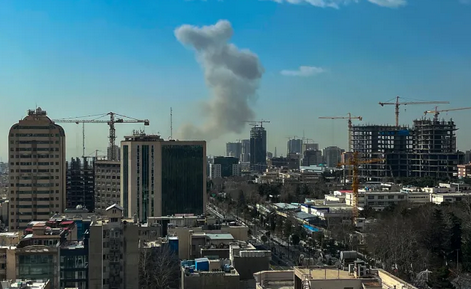
As Supreme Leader, Khamenei centralized power, overseeing Iran’s nuclear ambitions, support for regional proxies like Hezbollah and Hamas, and hardline policies against the West. His 37-year reign saw economic sanctions, protests (like the 2009 Green Movement and 2022 women’s rights uprising), and escalating tensions with Israel and the U.S. Khamenei’s death on February 28, 2026, in a joint U.S.-Israeli strike, has plunged Iran into uncertainty, with ongoing attacks aiming for regime change.
A Brief History of Iran
Iran’s history spans millennia, from the ancient Persian Empire under Cyrus the Great (6th century BCE) to its role as a Silk Road hub. Conquered by Alexander the Great, Arabs, Mongols, and others, it revived under dynasties like the Safavids (1501-1736), who established Shia Islam as the state religion—a divide that persists today.
The 20th century brought modernization under the Pahlavi dynasty, oil booms, and U.S. influence, culminating in the 1979 Revolution. Post-revolution Iran endured the brutal Iran-Iraq War (1980-1988), a stalemate costing over a million lives. The 21st century featured nuclear standoffs, sanctions, and proxy conflicts. Today, amid the 2026 U.S.-Israel war, Iran faces its most existential crisis since the revolution.
Why Iran Matters to America and Israel
Iran’s strategic location, vast oil reserves (fourth-largest globally), and influence over key waterways like the Strait of Hormuz make it crucial. For the U.S., Iran challenges American interests through its nuclear program, support for anti-U.S. militias in Iraq and Syria, and threats to Gulf allies like Saudi Arabia. Disruptions here could spike global oil prices and destabilize the region.
Israel views Iran as an existential threat due to its calls for Israel’s destruction, funding of groups like Hamas and Hezbollah, and ballistic missile arsenal. Iran’s “axis of resistance” has fueled conflicts, including the ongoing shadow war, making Tehran a focal point for Israeli security.
Why Do America and Israel Fear Iran?
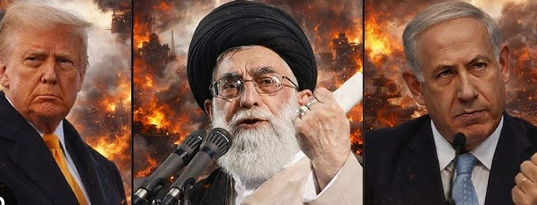
Fear stems from Iran’s nuclear pursuits—enriching uranium to near-weapons-grade levels—and its proxy network, which amplifies Tehran’s reach without direct confrontation. The U.S. worries about nuclear proliferation destabilizing the Middle East, empowering adversaries like Russia and China. Israel fears a nuclear Iran could embolden attacks via Hezbollah (with 150,000+ rockets) or Hamas, altering the balance of power.
Recent escalations, like Iran’s 2024 missile barrages and the 2025-2026 wars, highlight these concerns. Iran’s ideological opposition to both nations fuels a cycle of sanctions, cyberattacks, and assassinations.
Why the Fear of Khamenei?
Khamenei embodied Iran’s hardline stance, vetoing moderates and enforcing anti-Western policies. His control over the Revolutionary Guards and nuclear decisions made him a symbol of resistance—and threat. Fears centered on his unyielding pursuit of regional dominance, seen in Syria’s civil war support and Yemen’s Houthi backing. His death has intensified chaos, but his legacy of isolation persists.
What Happened After Khamenei’s Death?
Khamenei’s assassination on February 28, 2026, triggered “Operation Epic Fury”—ongoing U.S.-Israeli strikes targeting Iran’s military, nuclear sites, and leadership. Iran retaliated with missiles on U.S. bases in Iraq, Syria, and Gulf states like Saudi Arabia and UAE, causing casualties and infrastructure damage. Protests erupted in Iran, with calls for regime change. A leadership council governs temporarily, but experts predict prolonged instability, potential civil war, and weakened proxies.
Khamenei’s Family: Who’s Alive and Who’s Not?
Khamenei married Mansoureh Khojasteh Bagherzadeh in 1964. They had six children: four sons (Mostafa, Mojtaba, Masoud, Meysam) and two daughters (Boshra, Hoda). Mojtaba was rumored as a successor. All children are believed alive as of 2026, with no reports of deaths. His siblings include Mohammad and Hadi (brothers) and Badri (sister)—statuses unclear, but most likely living. Khamenei’s father, Javad, passed away decades ago.
| Family Member | Relation | Status (2026) |
|---|---|---|
| Mansoureh Khojasteh Bagherzadeh | Wife | Alive |
| Mostafa Khamenei | Son | Alive |
| Mojtaba Khamenei | Son | Alive |
| Masoud Khamenei | Son | Alive |
| Meysam Khamenei | Son | Alive |
| Boshra Khamenei | Daughter | Alive |
| Hoda Khamenei | Daughter | Alive |
Iran’s Current President
As of March 2026, Masoud Pezeshkian remains Iran’s president, elected in July 2024 after Ebrahim Raisi’s death in a helicopter crash. A reformist cardiac surgeon, Pezeshkian promised dialogue with the West but faces challenges amid the war.
The Fortunes of Iran, America, and Israel
Economically, the U.S. dwarfs both with a projected 2026 GDP of around $30 trillion (per IMF trends). Israel’s stands at $666 billion, driven by tech and defense. Iran’s, hampered by sanctions, is $376 billion—down from pre-revolution highs due to isolation and war.
| Country | 2026 GDP (USD Billion) | GDP per Capita (USD) |
|---|---|---|
| United States | ~30,000 | ~90,000 |
| Israel | 666 | 64,275 |
| Iran | 376 | 4,250 |
Who Won “This War”?
Referring to the 2026 U.S.-Israel-Iran conflict, it’s ongoing with U.S.-Israel gaining ground through strikes decimating Iran’s leadership and defenses. No clear “winner” yet, but Iran’s proxies are weakened, and regime change looms. Historically, the Iran-Iraq War (1980-88) ended in stalemate.
Iran’s Impact on Neighbors and Islamic Countries
Iran influences through Shia networks, supporting Hezbollah (Lebanon), Houthis (Yemen), and militias in Iraq/Syria—fueling sectarian tensions with Sunni states like Saudi Arabia. This “axis of resistance” has destabilized regions, aiding Assad in Syria but sparking proxy wars. In the Islamic world, Iran’s revolution inspired some but alienated others via its anti-Sunni stance, leading to isolation.
Why No Support for Iran During War?
Allies like Russia and China offered rhetoric but no military aid—Russia bogged in Ukraine, China avoiding escalation. Proxies like Hezbollah and Hamas are crippled. Decades of aggression, nuclear defiance, and sanctions eroded goodwill.
Why Is Iran Alone?
Iran’s isolation roots in its revolutionary ideology, rejecting Western norms, pursuing nukes, and backing terrorism. The 1979 Revolution severed ties; proxy wars alienated Arabs. Sanctions and failed diplomacy with Russia/China left it friendless amid 2026 strikes.
Iran’s saga is a cautionary tale of ambition clashing with reality. As the 2026 war unfolds, the nation’s future hangs in balance—potentially reshaping the Middle East. What do you think lies ahead for Iran? Share in the comments!
Note: This post is original content based on historical and current analyses. For more, explore related topics like Middle East geopolitics.