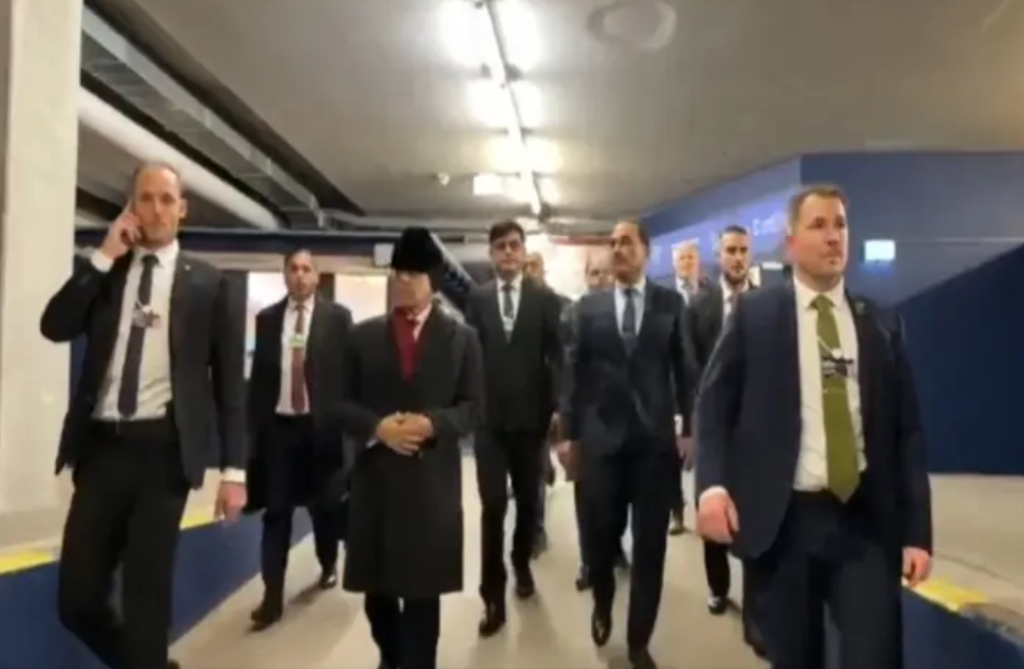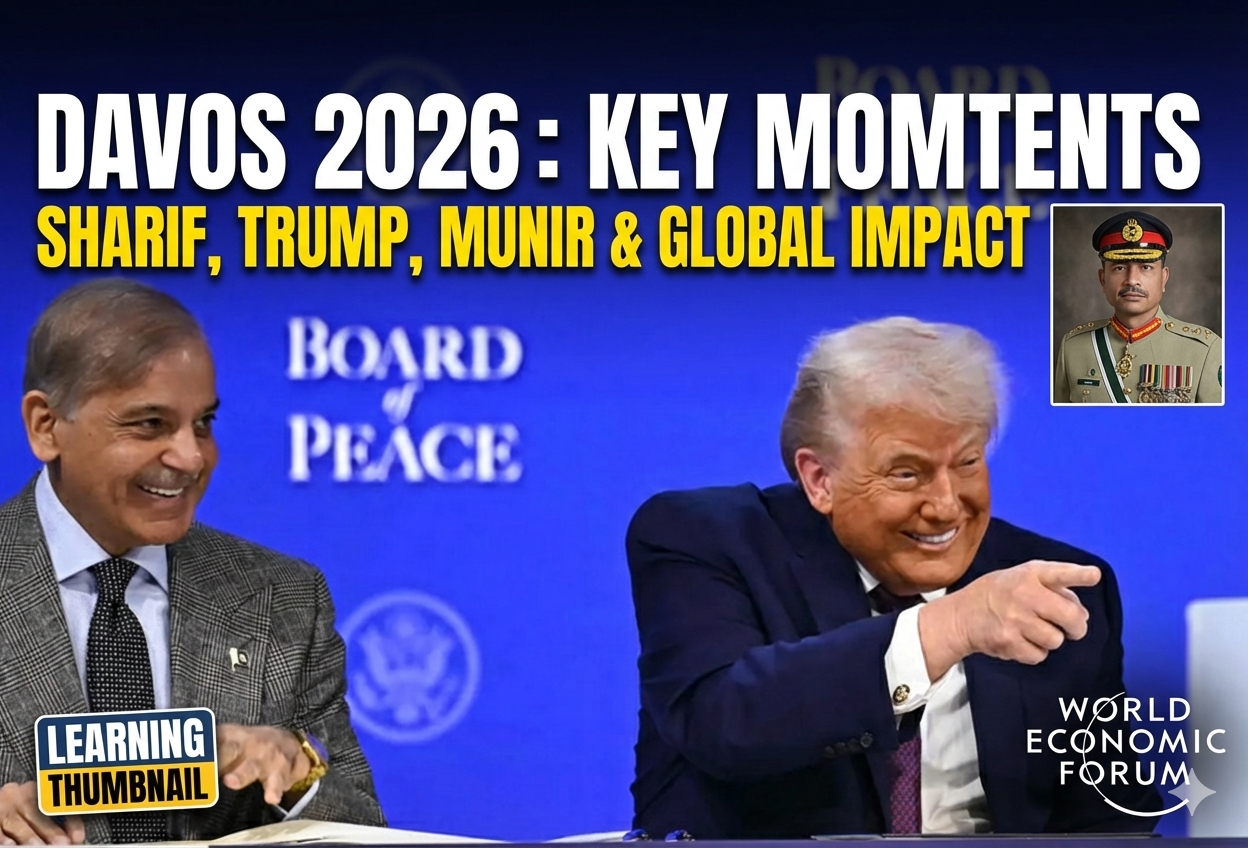
The World Economic Forum (WEF) Annual Meeting in Davos, Switzerland, has once again become a global stage for high-stakes diplomacy, and this year (January 20–22, 2026), Pakistan‘s delegation—led by Prime Minister Shehbaz Sharif alongside Chief of Defence Forces Field Marshal Syed Asim Munir—has drawn significant attention. Their presence, including attendance at events featuring US President Donald Trump, highlights Pakistan’s active role in international discussions on peace, economy, and geopolitics.
Pakistan’s High-Profile Presence at Davos
Prime Minister Shehbaz Sharif headed Pakistan’s delegation to the prestigious WEF gathering, with Field Marshal Asim Munir joining in a rare appearance by a serving army chief at this economic-focused forum. The duo’s joint engagements underscored Pakistan’s strategic outreach amid economic challenges and shifting global alliances.
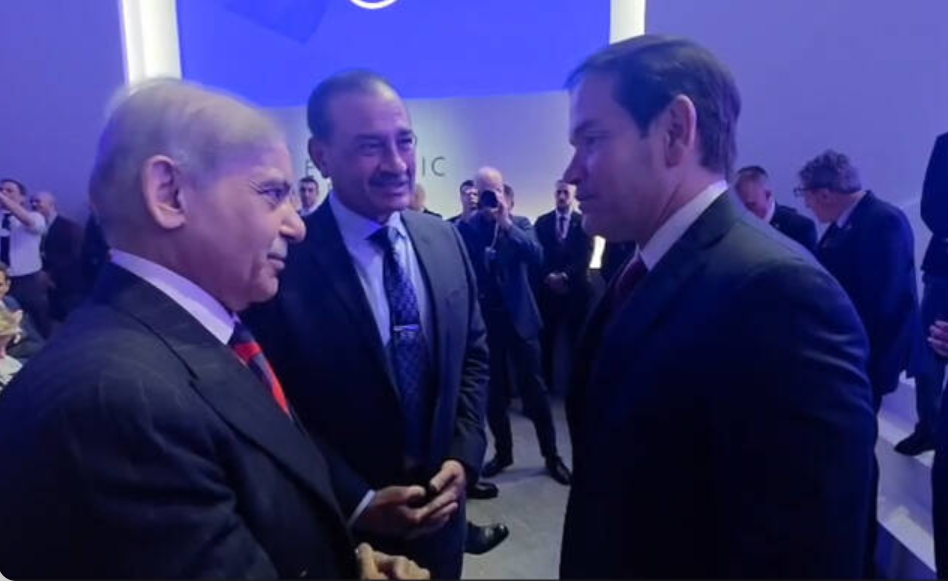
They held cordial, informal meetings with key figures, including:
- Azerbaijan President Ilham Aliyev
- US Secretary of State Marco Rubio
- Saudi Foreign Minister Prince Faisal bin Farhan Al Saud
These interactions focused on strengthening bilateral ties, economic cooperation, and regional stability.
Attending Trump’s Address and the Spotlight on Global Peace
PM Shehbaz and Field Marshal Munir attended US President Donald Trump’s special address to world leaders at the WEF. Trump’s speech covered trade, security, AI, and more, setting the tone for broader discussions.
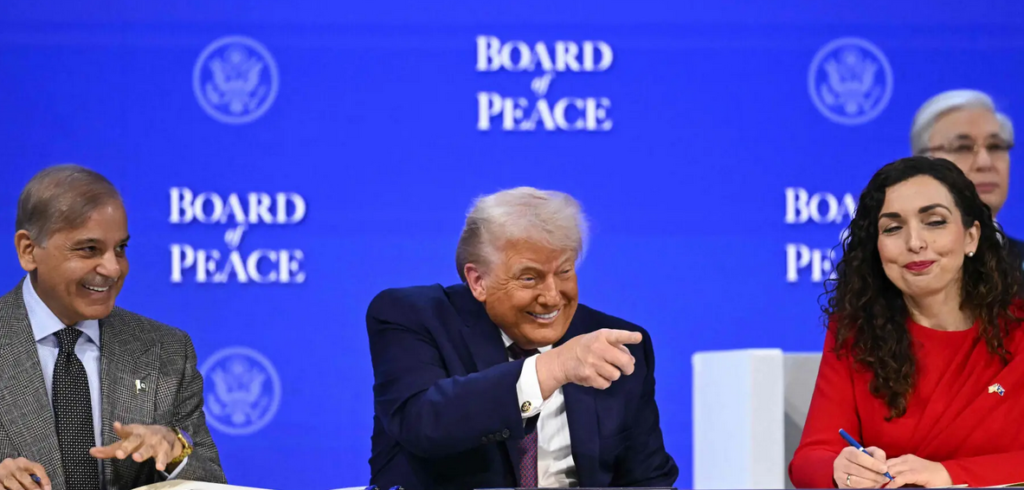
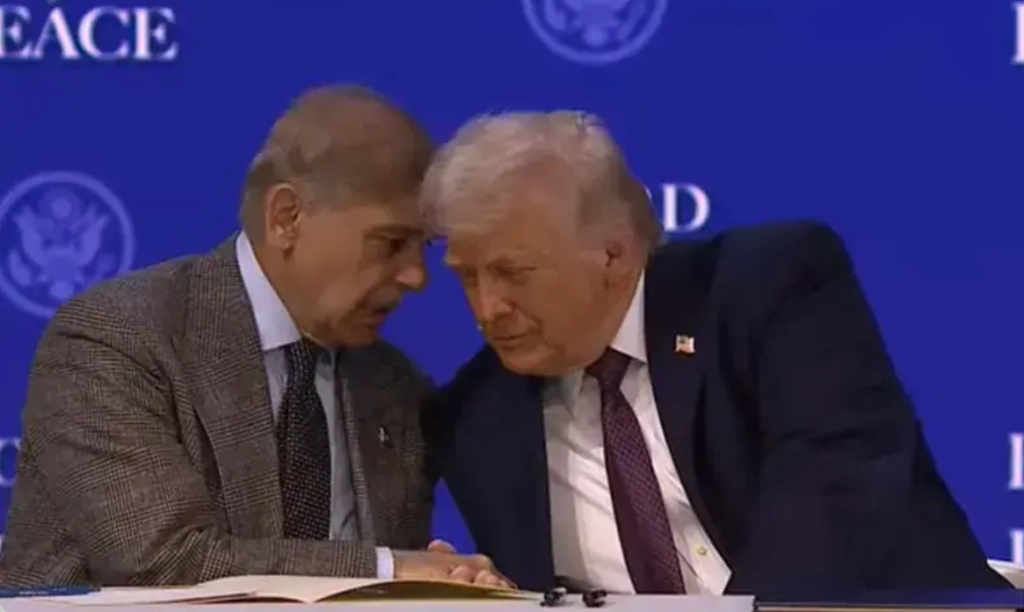
A major highlight was the launch of Trump’s “Board of Peace” initiative, initially aimed at solidifying the Gaza ceasefire and potentially expanding to other global conflicts. Pakistan officially joined this board, with PM Shehbaz Sharif participating in the charter signing ceremony alongside Trump and leaders from about 19 countries.
Trump chaired the board, and the event included a group photo and interactions where PM Shehbaz was present—though some social media clips noted his seating position farther back among other leaders.
Reports indicate Pakistan’s involvement stems from an invitation by Trump, with Gaza peace as a key focus. While a direct bilateral meeting between Shehbaz Sharif, Asim Munir, and Trump was anticipated and discussed in media, confirmed engagements centered on the Board of Peace session and Trump’s address.
Why This Matters for Pakistan
Field Marshal Asim Munir’s participation marks a notable diplomatic move, blending military and civilian leadership in economic diplomacy. Amid Pakistan’s push for investment, export growth, and macroeconomic stability, these Davos interactions aim to build leverage with major powers like the US, Saudi Arabia, and Azerbaijan.
The rare trio spotlight—Shehbaz Sharif, Trump, and Asim Munir—has sparked conversations online, from praise for Pakistan’s global engagement to humorous takes on seating arrangements and dynamics.
As the WEF wraps up, these moments reinforce Pakistan’s efforts to stay relevant in a fragmented world order.
Donald Trump’s Evolving Relationship with Pakistan: Ties to Asim Munir, Shahbaz Sharif, and Key Figures
Donald Trump’s interactions with Pakistan have always made headlines, swinging from sharp criticism to surprising warmth. During his first term as U.S. President (2017-2021), relations were tense, marked by aid cuts and accusations of Pakistan harboring terrorists. Fast forward to his second term starting in 2025, and the dynamic has shifted dramatically—think high-level White House meetings, trade deals, and public praise for leaders like Army Chief Asim Munir and Prime Minister Shahbaz Sharif. This blog post breaks down the connections, past and present, including Trump’s dealings with Pakistani politicians and various army chiefs. Whether you’re tracking geopolitics or curious about U.S.-Pakistan ties in 2026, we’ve got the insights to keep you informed.
Trump’s Pakistan Policy in His First Presidency: A Rocky Start
Trump’s approach to Pakistan during his 2017-2021 term was defined by frustration over Afghanistan and counterterrorism. In his August 2017 Afghanistan strategy speech, he accused Pakistan of providing safe havens to terrorists, demanding they “do more” to combat groups like the Taliban. This led to concrete actions: In January 2018, Trump tweeted that Pakistan had given the U.S. “nothing but lies and deceit” in return for billions in aid, resulting in the suspension of $300 million in military assistance and later $1.3 billion in security aid. The relationship hit lows, with reduced cooperation and public spats.
However, things improved toward the end. In 2019, Pakistani Prime Minister Imran Khan visited Washington, and the two leaders hit it off personally. Trump called Khan a “great leader” and sought Pakistan’s help in Afghan peace talks, leading to renewed dialogue. This thaw was pragmatic—focused on U.S. withdrawal from Afghanistan—but it set a precedent for personality-driven diplomacy.
The Dramatic Shift in Trump’s Second Term (2025-2026)
By 2025-2026, U.S.-Pakistan relations have warmed significantly under Trump’s second administration. A key turning point was the May 2025 India-Pakistan conflict ceasefire, where Trump claimed mediation credit (despite India’s denial), and Pakistan amplified it, even nominating him for a Nobel Peace Prize. This flattery paid off, leading to deals like lower U.S. tariffs for Pakistan, cooperation on critical minerals worth billions, and revived counterterrorism dialogues.
Trump has hosted Pakistani leaders multiple times, praising their “terrific” handling of issues like Afghanistan and Iran. The focus is transactional: securing mineral supplies to counter China, boosting counterterrorism, and exploring energy ties. Analysts see this as “resource realism,” prioritizing economic gains over past mistrust. Yet, it’s fragile—tied to Trump’s personal style and specific interests like cryptocurrency and hydrocarbons.
Trump’s Connections with Pakistani Politicians: Imran Khan, Nawaz Sharif, and Shahbaz Sharif
Trump’s dealings with Pakistani leaders often hinge on personal rapport.
- Imran Khan: During Trump’s first term, Khan’s 2019 White House visit marked a high point. The two bonded as populist outsiders, with Trump calling Khan a “friend” and appreciating his cricket background. They collaborated on Afghan peace, but ties soured post-2021 with Khan’s ouster and U.S. distance. In 2025-2026, Trump hasn’t pushed for Khan’s release from prison, focusing instead on current leaders.
- Nawaz Sharif: As three-time PM, Nawaz had limited direct Trump interactions. His 2017 ouster amid corruption charges overlapped with Trump’s aid cuts. No major meetings occurred, though Nawaz’s PML-N party later benefited from improved ties under his brother Shahbaz.
- Shahbaz Sharif: The current PM has become a Trump favorite in 2025-2026. They’ve met multiple times, with Trump praising Shahbaz’s leadership and claiming he “saved millions of lives” in the 2025 ceasefire. Shahbaz has reciprocated, calling Trump a “man of peace” at summits and facilitating deals on minerals and trade. Their Oval Office photo ops symbolize the reset.
Trump’s Relations with Pakistan’s Army Chiefs: Raheel Sharif, Qamar Bajwa, and Asim Munir
Pakistan’s army chiefs wield immense power, and Trump’s engagements reflect that.
- Raheel Sharif (2013-2016): Pre-Trump, Raheel focused on counterterrorism like Operation Zarb-e-Azb. No direct Trump ties, but his legacy of U.S. cooperation influenced later dynamics.
- Qamar Bajwa (2016-2022): Overlapped with Trump’s first term. Relations were strained amid aid suspensions, with Bajwa navigating accusations of Taliban support. Some quiet diplomacy on Afghanistan, but no warm public ties.
- Asim Munir (2022-Present): The star of Trump’s second term. Munir’s unprecedented White House lunches in June and September 2025 marked historic access. Trump calls him his “favorite field marshal,” praising his “visionary” role in counterterrorism and regional stability. Discussions covered Iran, minerals, and crypto, with Munir’s diplomacy credited for the reset. Critics note this elevates the military over civilians.
Wrapping Up: What Do These Connections Mean for the Future?
Trump’s Pakistan pivot—from tension to tactical partnership—highlights his deal-making style, prioritizing minerals, security, and flattery over long-term strategy. With Asim Munir and Shahbaz Sharif as key allies, ties are strong in 2026, but risks remain: over-reliance on personalities, ignoring issues like Imran Khan’s imprisonment, or shifts if deals falter. As global dynamics evolve, watch for impacts on South Asia’s balance.
What’s your take on Trump’s Pakistan strategy—smart move or short-sighted? Share in the comments below, and subscribe for more geopolitics updates!
What are your thoughts on Pakistan’s role in Trump’s Board of Peace and the Davos engagements? Drop your views in the comments!